
Understanding Medicine for Chronic Conditions
Chronic conditions are long-lasting health problems that require ongoing medical attention or limit activities of daily living. Managing these conditions often involves a combination of lifestyle changes and medication. Choosing the right medicine and adhering to a treatment plan is crucial for improving quality of life and preventing complications. It is important to consult with a healthcare professional to determine the most appropriate treatment approach. This article explores different aspects of medicine used in managing chronic conditions.
The Role of Medication in Chronic Disease Management
Medications play a vital role in managing chronic conditions by controlling symptoms, slowing disease progression, and preventing complications. The specific type of medication prescribed depends on the condition and its severity. It is important to take medications as prescribed and to communicate any concerns or side effects to your healthcare provider. The use of medication requires a proper understanding of the disease, the drug’s mechanism of action, and potential side effects.
Maintaining an open dialogue with your doctor about your experiences with any medication is crucial to optimize treatment. Regular monitoring and adjustments to medication dosages may be necessary to achieve the best possible outcome. Consider participating in shared decision-making to become an active participant in managing your chronic health.
Common Medications for Chronic Conditions
Numerous medications are used to manage various chronic conditions. For instance, people with diabetes often use insulin or oral hypoglycemic agents to control blood sugar levels. Individuals with hypertension may take antihypertensive drugs to lower blood pressure. Those suffering from arthritis might use analgesics or anti-inflammatory drugs to alleviate pain and inflammation. Heart disease might necessitate the use of beta-blockers or ACE inhibitors.
Understanding the specific medications prescribed for your condition is crucial for safe and effective management. Ask your healthcare provider about the purpose of each medication, potential side effects, and interactions with other drugs or supplements. Proper usage ensures the medication is used correctly.
Lifestyle Modifications and Medication
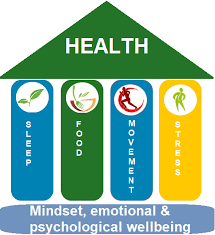
While medication is essential for managing many chronic conditions, lifestyle modifications play a critical role in optimizing health outcomes. Changes such as adopting a healthy diet, engaging in regular physical activity, managing stress, and quitting smoking can significantly improve overall well-being. In some cases, lifestyle changes can even reduce the need for medication or lower the dosage required.
Combining medication with healthy lifestyle choices can provide a synergistic effect, leading to better disease control and improved quality of life. Work with your healthcare provider to develop a comprehensive management plan that includes both medication and lifestyle modifications.
Adherence to Medication Regimens
Adhering to medication regimens is crucial for effective management of chronic conditions. Non-adherence can lead to poor disease control, increased risk of complications, and hospitalizations. Several strategies can help improve adherence, including using medication organizers, setting reminders, and involving family members or caregivers. Communicate with your healthcare provider if you have difficulty adhering to your medication regimen. Factors leading to non-adherence vary among patients.
Open communication with your healthcare provider can help identify and address barriers to adherence. They can offer solutions tailored to your specific needs, such as simplifying your medication schedule or providing education about your medications. Improving adherence is an ongoing process that requires collaboration between you and your healthcare team.
Potential Side Effects and Interactions
All medications have the potential to cause side effects, and some medications can interact with other drugs or supplements. It is important to be aware of the potential side effects of your medications and to report any concerns to your healthcare provider. Before starting any new medication or supplement, inform your healthcare provider about all other medications, vitamins, and herbal products you are taking. Recognizing the potential side effects and proactively addressing them are crucial for preventing complications.
Your healthcare provider can help you weigh the benefits and risks of each medication and develop strategies for managing potential side effects. They can also identify and prevent potential drug interactions. Patient empowerment is key in the ongoing dialogue to ensure optimal drug management and safety.
The Future of Medicine for Chronic Conditions
The field of medicine for chronic conditions is constantly evolving, with new treatments and technologies being developed. Personalized medicine, which tailors treatment to an individual’s specific genetic makeup and other factors, is becoming increasingly important. Advances in drug delivery systems and remote monitoring technologies are also improving the management of chronic conditions. Exploring new therapeutic avenues can improve the long-term outlook for patients with chronic conditions.
Staying informed about the latest advances in medicine can empower you to make informed decisions about your health. Discuss new treatment options with your healthcare provider to determine if they are appropriate for you. Embracing innovation in medicine can lead to better outcomes and improved quality of life.