
The Power of Proactive Health: Preventive Medicine Solutions
Preventive medicine represents a fundamental shift in healthcare, moving away from reactive treatments and embracing proactive strategies to maintain well-being. Instead of waiting for illness to strike, preventive measures aim to identify potential risks, implement lifestyle changes, and detect diseases in their early, more treatable stages. This approach empowers individuals to take control of their health, leading to longer, healthier lives and reduced healthcare costs in the long run.
Understanding the Core Principles
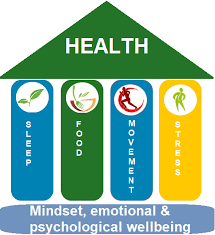
Preventive medicine operates on several core principles. Firstly, it emphasizes the importance of understanding individual risk factors, such as genetics, lifestyle choices, and environmental exposures. Secondly, it promotes the adoption of healthy habits, including regular exercise, a balanced diet, and stress management techniques. Thirdly, it advocates for regular screenings and check-ups to detect potential health problems before they escalate. Finally, it encourages individuals to be active participants in their own healthcare, working collaboratively with healthcare providers to develop personalized prevention plans.
The Spectrum of Preventive Services
The range of preventive medicine services is vast and diverse, catering to individuals of all ages and health conditions. These services include vaccinations, which protect against infectious diseases; screenings for common cancers, such as breast, cervical, and colon cancer; and cardiovascular risk assessments, which help identify individuals at risk of heart disease and stroke. Furthermore, preventive medicine encompasses lifestyle counseling on topics such as smoking cessation, weight management, and nutrition, as well as mental health support services to address stress, anxiety, and depression.
The Benefits of Early Detection
One of the most significant advantages of preventive medicine is the opportunity for early disease detection. Many serious illnesses, such as cancer and heart disease, are often asymptomatic in their early stages, meaning individuals may not experience any noticeable symptoms. Through regular screenings and check-ups, these conditions can be identified and treated before they progress, significantly improving the chances of successful treatment and long-term survival. Early detection also allows for less invasive and more cost-effective treatment options.
Lifestyle Modifications: A Cornerstone of Prevention
Lifestyle modifications play a crucial role in preventive medicine. Adopting healthy habits, such as regular exercise and a balanced diet, can significantly reduce the risk of developing chronic diseases like heart disease, type 2 diabetes, and certain types of cancer. Regular physical activity helps maintain a healthy weight, strengthens the cardiovascular system, and improves mood. A balanced diet, rich in fruits, vegetables, and whole grains, provides essential nutrients and antioxidants, protecting against cellular damage and supporting overall health. Avoiding smoking and excessive alcohol consumption are also vital components of a healthy lifestyle.
Navigating the Healthcare System for Preventive Care
Accessing preventive medicine services can sometimes seem daunting, but with the right information and resources, it can be a seamless process. Start by discussing your individual risk factors and health concerns with your primary care physician. They can recommend appropriate screenings and vaccinations based on your age, gender, and medical history. Many healthcare providers offer comprehensive wellness programs that include preventive screenings, lifestyle counseling, and health education. Additionally, community health centers and public health organizations often provide free or low-cost preventive services to underserved populations.
The Future of Preventive Medicine: Personalized Approaches
The future of preventive medicine is moving towards more personalized and targeted approaches. Advances in genomics and precision medicine are enabling healthcare providers to identify individuals at high risk of specific diseases based on their genetic makeup. This allows for the development of personalized prevention plans tailored to an individual’s unique needs and risk factors. Furthermore, wearable technology and mobile health apps are empowering individuals to monitor their health metrics, such as heart rate, sleep patterns, and physical activity levels, providing valuable data for personalized prevention strategies. These technological advancements are transforming the landscape of preventive medicine, paving the way for a future where healthcare is proactive, personalized, and focused on promoting lifelong well-being.