Unlocking Your Fitness Potential: Effective Workout Routines for a Healthier You
Embarking on a fitness journey can feel daunting, but with the right knowledge and a structured approach, achieving your health and physique goals is within reach. This guide provides a comprehensive overview of effective workout routines tailored to various fitness levels and objectives. Whether you’re aiming for weight loss, muscle gain, or simply a boost in overall well-being, understanding the fundamentals of exercise and nutrition is crucial. Let’s dive into the world of fitness and discover how to transform your body and mind.
Understanding the Fundamentals of Health and Fitness
Before jumping into specific workout routines, it’s essential to understand the core principles of health and fitness. This includes recognizing the importance of balanced nutrition, adequate rest, and consistent exercise. Nutrition fuels your body, providing the necessary energy for workouts and recovery. Rest allows your muscles to repair and rebuild, leading to growth and improved performance. Consistent exercise, whether it’s cardio, strength training, or flexibility work, challenges your body and promotes adaptation, resulting in increased fitness levels.
Cardio for Weight Loss and Cardiovascular Health
Cardiovascular exercise, often referred to as cardio, is a cornerstone of any well-rounded fitness program. Cardio workouts elevate your heart rate and breathing, improving cardiovascular health and burning calories. Activities like running, swimming, cycling, and brisk walking are all excellent options. The key is to find an activity you enjoy and can sustain over time. Aim for at least 150 minutes of moderate-intensity cardio or 75 minutes of vigorous-intensity cardio per week, spread throughout the week for optimal results.
Strength Training for Muscle Gain and Strength
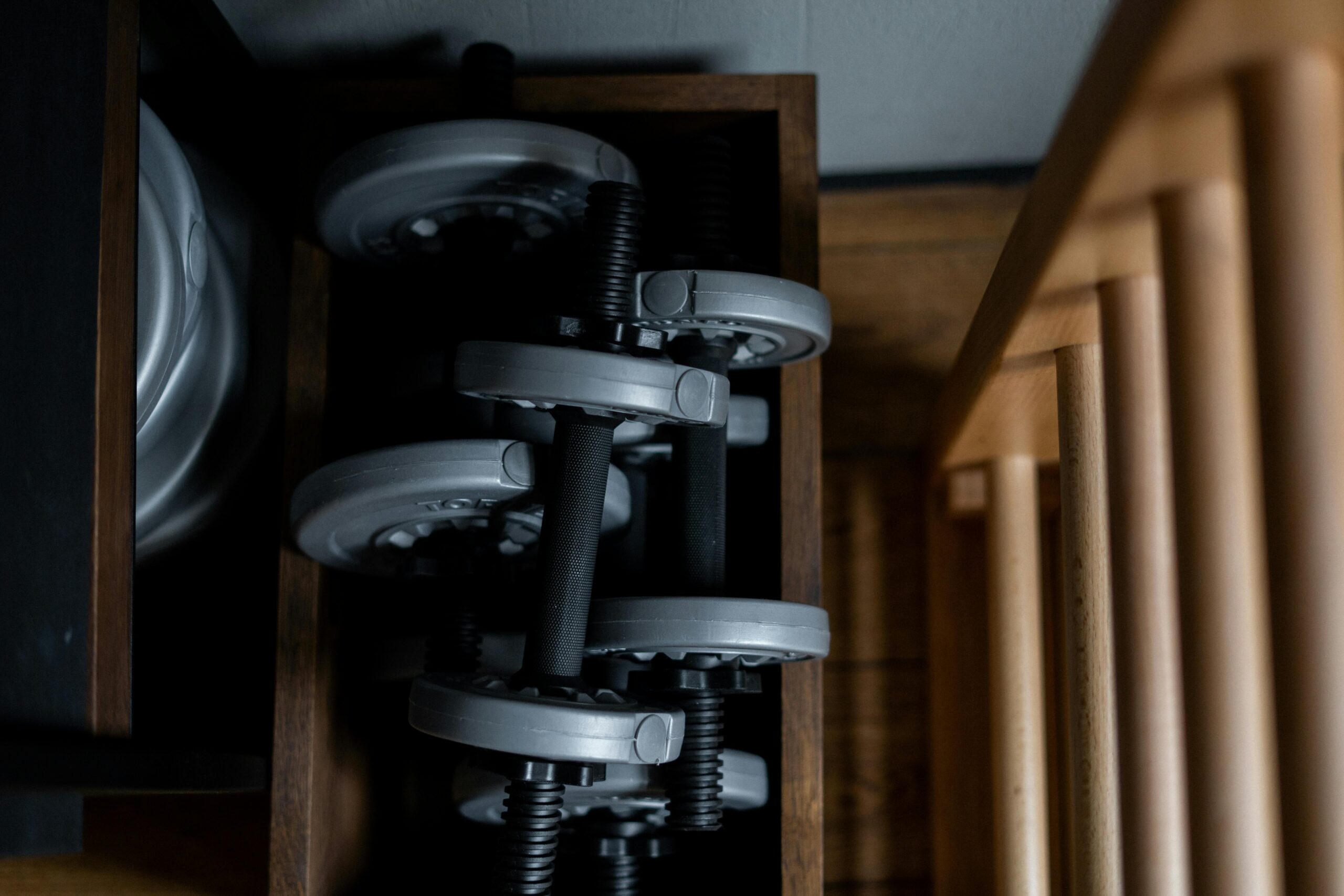
Strength training is crucial for building muscle mass and increasing overall strength. It involves using resistance, such as weights or your own body weight, to challenge your muscles. Strength training not only enhances your physique but also boosts your metabolism, improves bone density, and reduces the risk of injury. Focus on compound exercises like squats, deadlifts, bench presses, and overhead presses, which work multiple muscle groups simultaneously. Aim for 2-3 strength training sessions per week, allowing for adequate rest between workouts.
Designing Your Personalized Workout Routine
Creating a personalized workout routine is essential for achieving your specific fitness goals. Consider your current fitness level, available time, and preferred activities. Start with a warm-up to prepare your body for exercise, followed by your chosen workout routine, and finish with a cool-down to gradually lower your heart rate and reduce muscle soreness. Its important to progress gradually by increasing the intensity, duration, or frequency of your workouts over time. Listen to your body and adjust your routine as needed.
Sample Workout Routines for Different Goals
Here are a few sample workout routines tailored to different fitness goals:
**Weight Loss:**
* **Monday:** 30 minutes of brisk walking or jogging
* **Tuesday:** Strength training (full body)
* **Wednesday:** Rest or active recovery (yoga, stretching)
* **Thursday:** 45 minutes of cycling or swimming
* **Friday:** Strength training (full body)
* **Saturday:** Hike or outdoor activity
* **Sunday:** Rest
**Muscle Gain:**
* **Monday:** Chest and triceps
* **Tuesday:** Back and biceps
* **Wednesday:** Rest
* **Thursday:** Legs and shoulders
* **Friday:** Cardio (30 minutes)
* **Saturday:** Rest or active recovery
* **Sunday:** Rest
**General Fitness:**
* **Monday:** Full body strength training
* **Tuesday:** Cardio (30 minutes)
* **Wednesday:** Rest or active recovery
* **Thursday:** Full body strength training
* **Friday:** Cardio (30 minutes)
* **Saturday:** Yoga or stretching
* **Sunday:** Rest
The Importance of Rest and Recovery
Rest and recovery are just as crucial as the workouts themselves. During exercise, your muscles experience microscopic tears. Rest allows your body to repair and rebuild these tears, leading to muscle growth and improved strength. Aim for 7-9 hours of quality sleep each night. Incorporate rest days into your workout schedule to allow your body to fully recover. Active recovery, such as light stretching or foam rolling, can also help reduce muscle soreness and improve flexibility. Proper nutrition plays a vital role in recovery by providing your body with the nutrients it needs to rebuild muscle tissue.
Nutrition for Optimal Performance and Results
Nutrition is a fundamental element for achieving optimal fitness outcomes. A balanced diet comprising lean proteins, complex carbs, and healthful fats gives the energy your body needs for workouts and restoration. Proteins are necessary for muscle repair and growth, whereas carbs offer energy. Healthy fats are essential for hormonal synthesis and general health. Stay well-hydrated by consuming an adequate amount of water during the day, particularly around exercises. Give priority to whole, unprocessed foods to maximize vitamin intake and overall health.