
independent contractor different from an employee
Understanding how is an independent contractor different from an employee is essential for both businesses and individuals engaging in work arrangements. While both perform services for a company or client, the legal, financial, and operational distinctions between the two are significant. An independent contractor operates under a contract to provide specific services but maintains autonomy over how those services are completed. In contrast, employees work under the direction and control of their employer, often with set schedules, detailed instructions, and ongoing obligations. Recognizing these differences helps prevent misclassification, ensures compliance with labor laws, and clarifies expectations for all parties involved.
One of the primary distinctions between an independent contractor and an employee is the level of control the hiring party exercises. Independent contractors have the freedom to determine how, when, and where they complete their work. They manage their own schedules, select the methods and tools they use, and often work for multiple clients simultaneously. Employees, however, are typically subject to the employer’s rules and supervision, receiving instructions on daily tasks and adhering to workplace policies. This control factor is a critical legal element when determining whether a worker is an Independent Contractor or an employee.
Financial independence is another key differentiator. Independent contractors generally invest in their own equipment, tools, and professional development, and they bear the risk of profit or loss in their work. They are usually paid per project, milestone, or contract, rather than receiving a regular salary or hourly wage. Employees, in contrast, receive consistent compensation, often along with benefits such as health insurance, retirement plans, paid leave, and tax withholdings managed by the employer. This financial structure underscores the independence of contractors and highlights the long-term commitments and protections provided to employees.
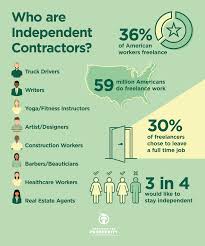
How is an independent contractor different from an employee?
The nature of the working relationship also sets independent contractors apart from employees. Independent contractors are usually hired for specific projects or defined periods, and their engagement ends once the project is completed. Employees generally have an ongoing relationship with their employer, which can be indefinite and may include promotions, raises, and other long-term employment benefits. Additionally, independent contractors often have the ability to subcontract or hire others to complete parts of their work, further emphasizing their autonomy and business-oriented approach.
Legal agreements play an important role in defining the status of an Cost of employment lawyer contract review. Written contracts clearly outline the scope of work, payment terms, deadlines, and responsibilities, and they usually specify that the worker is not an employee. Courts and regulatory agencies often examine both the contractual terms and the actual working conditions to determine whether a worker is genuinely an independent contractor or should be classified as an employee. Misclassification can lead to penalties, back taxes, and liability for benefits not provided.
In summary, understanding how is an independent contractor different from an employee involves examining control, financial independence, the nature of the work relationship, and legal agreements. Independent contractors enjoy autonomy, flexibility, and business responsibility, while employees benefit from stability, protections, and employer oversight. Both arrangements have advantages and challenges, but clearly recognizing these differences ensures compliance with labor laws and creates a professional relationship that aligns with the expectations of both parties.