High-End Lifestyle Fashion: Charting the Course for 2025
The landscape of high-end lifestyle fashion is perpetually evolving, shaped by cultural shifts, technological advancements, and a growing awareness of environmental and social responsibility. As we look toward 2025, several key trends are poised to redefine luxury and influence the way consumers engage with fashion. This article delves into these emerging trends, offering insights into what to expect in the realm of high-end lifestyle fashion.
Sustainability Takes Center Stage
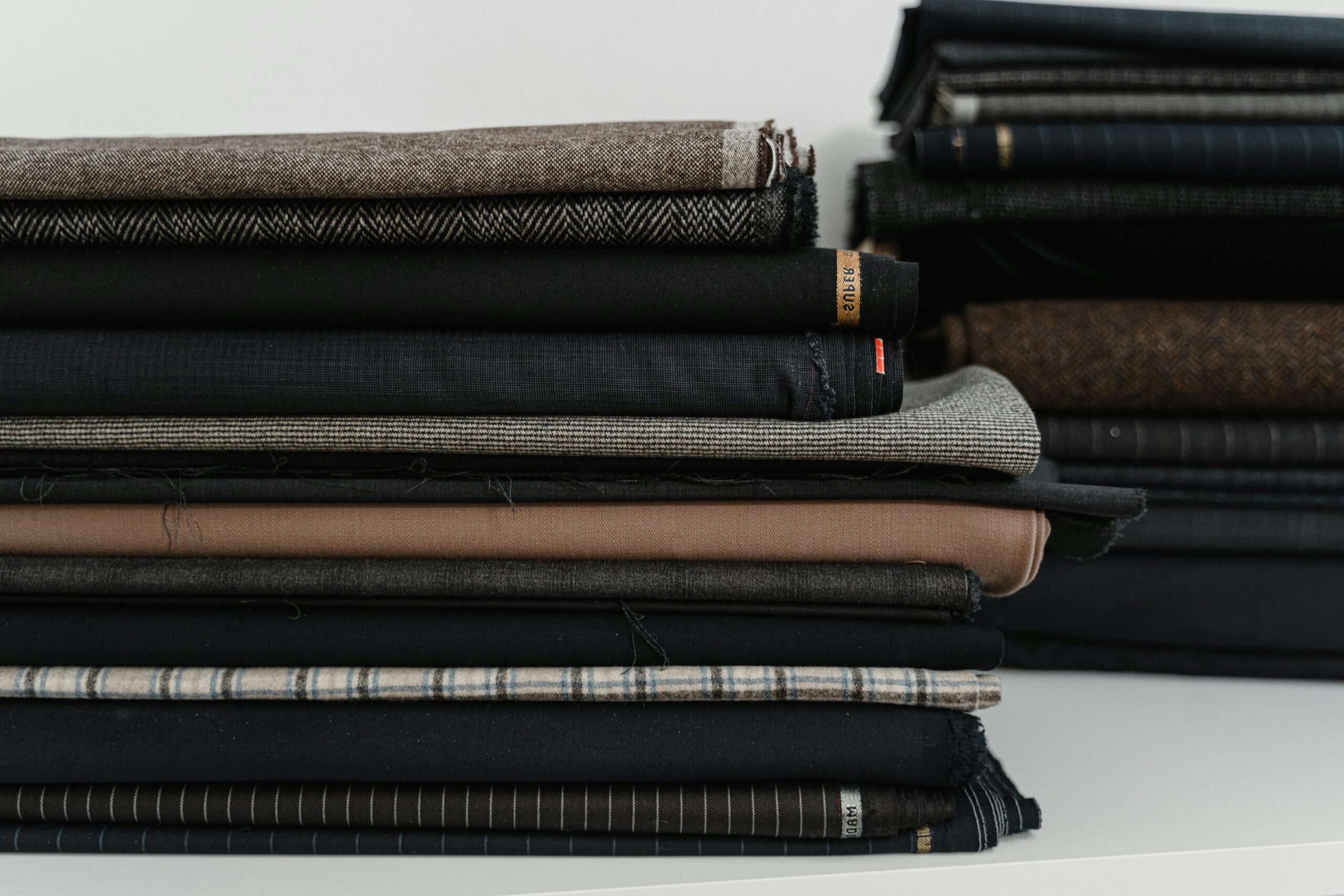
Sustainability is no longer a niche concept but a core value driving consumer choices, and the high-end fashion industry is responding. Expect to see a significant increase in the use of innovative, eco-friendly materials such as recycled fibers, plant-based textiles, and lab-grown leather alternatives. Brands are increasingly transparent about their supply chains and production processes, emphasizing ethical sourcing and fair labor practices. This commitment to sustainability will deeply resonate with conscious consumers.
The focus on eco-friendly materials goes beyond just the fabrics themselves. Brands are also exploring sustainable packaging options, reducing waste, and implementing circular economy models. These efforts not only minimize the environmental impact of the fashion industry but also enhance the value and appeal of luxury goods, appealing to a growing segment of consumers who prioritize sustainability.
The Rise of Personalization and Customization
In an era of mass production, the desire for individuality is stronger than ever. High-end fashion brands are embracing personalization and customization to cater to the unique tastes and preferences of their customers. Expect to see more bespoke services, made-to-order pieces, and opportunities to co-create designs with brands. Technologies like 3D printing and AI-powered design tools are enabling unprecedented levels of personalization.
This trend extends beyond clothing to encompass accessories, footwear, and even entire lifestyle experiences. Brands are leveraging data analytics and customer insights to understand individual needs and preferences, offering tailored recommendations and exclusive access to personalized products and services. This heightened level of personalization fosters stronger brand loyalty and enhances the overall customer experience.
The Metaverse and Digital Fashion
The metaverse is rapidly emerging as a new frontier for high-end fashion, offering immersive and interactive experiences that transcend the physical world. Brands are creating virtual clothing, accessories, and even entire digital identities for avatars, allowing consumers to express their style and individuality in the digital realm. Expect to see more collaborations between fashion houses and metaverse platforms.
Digital fashion is not just about creating virtual representations of physical garments. It also encompasses entirely new forms of self-expression and creativity. Digital artists and designers are pushing the boundaries of fashion with innovative concepts and designs that are only possible in the digital world. This blurring of the lines between physical and digital fashion is opening up exciting new possibilities for the industry.
The Continued Importance of Experiential Retail
While online shopping continues to grow, physical retail spaces remain crucial for high-end brands to create immersive and engaging experiences. Expect to see more flagship stores that offer personalized styling services, exclusive events, and interactive displays. Brands are also focusing on creating unique and memorable moments that resonate with customers long after they leave the store.
Experiential retail is about more than just selling products. It’s about building relationships with customers and creating a sense of community. Brands are hosting workshops, exhibitions, and other events that bring people together and foster a sense of belonging. This approach not only enhances the customer experience but also reinforces the brand’s identity and values.
Blending of Functionality and High Design
The lines between streetwear, activewear, and high fashion continue to blur as consumers seek versatile pieces that can be worn for a variety of occasions. Expect to see more high-end brands incorporating functional elements into their designs, such as weatherproof materials, breathable fabrics, and ergonomic silhouettes. This focus on functionality does not come at the expense of style; rather, it enhances the overall appeal of luxury goods.
This trend reflects a growing demand for clothing that is both stylish and practical. Consumers are increasingly active and on-the-go, and they want clothing that can keep up with their lifestyles. High-end brands are responding by creating pieces that are both comfortable and fashionable, blurring the lines between work and play.
The Enduring Power of Craftsmanship and Heritage
In an era of mass production, the value of craftsmanship and heritage remains strong. High-end brands are emphasizing the artistry and skill that goes into creating their products, showcasing the unique techniques and traditions that have been passed down through generations. This focus on craftsmanship resonates with consumers who appreciate quality, authenticity, and enduring value.
Many high-end brands have a rich history and a strong connection to their heritage. They are leveraging this heritage to create products that are both timeless and modern. By combining traditional techniques with innovative designs, these brands are able to create pieces that are both beautiful and meaningful.
Conclusion
By embracing sustainability, personalization, digital innovation, experiential retail, functional design, and timeless craftsmanship, high-end lifestyle fashion is poised for continued growth and relevance in 2025 and beyond. These trends represent a shift towards a more conscious, inclusive, and personalized approach to luxury, one that prioritizes both style and substance.