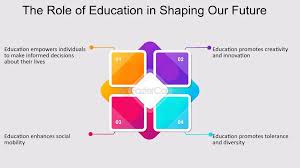

Education Reform Initiatives: Shaping the Future of Learning
Education reform initiatives represent a dynamic and multifaceted effort to improve educational systems worldwide. These initiatives encompass a wide range of strategies and policies aimed at enhancing student outcomes, modernizing curricula, improving teaching practices, and promoting equitable access to quality education. The need for reform arises from evolving societal needs, technological advancements, and a growing understanding of how people learn best.
The Core Drivers of Education Reform
Globalization and the rapidly changing job market are major drivers. Students need skills beyond traditional knowledge, like critical thinking, problem-solving, and adaptability. Technological advancements provide new learning tools and opportunities, requiring educators to adapt their methods. Concerns about equity and access also fuel reform efforts, aiming to close achievement gaps and provide opportunities for all students, regardless of background or location.
Curriculum Modernization Efforts
Traditional curricula often lag behind the demands of the modern world. Reform efforts focus on making curricula more relevant, engaging, and aligned with real-world applications. This involves integrating interdisciplinary approaches, emphasizing project-based learning, and incorporating technology into the curriculum. Subject matter is presented in a way that encourages active learning and deeper understanding, moving away from rote memorization.
Innovative Teaching Methodologies
Effective teaching is crucial for student success. Reform initiatives promote professional development for teachers, focusing on innovative teaching methodologies. This includes strategies like differentiated instruction, personalized learning, and flipped classrooms. These approaches aim to cater to diverse learning styles and paces, creating a more engaging and effective learning environment. Educators are encouraged to become facilitators of learning, guiding students through discovery and exploration.
Technology Integration in Education
Technology is transforming education, offering unprecedented opportunities for learning and engagement. Reform initiatives focus on integrating technology effectively into classrooms, providing students with access to digital resources and learning tools. This includes using educational software, online learning platforms, and interactive simulations. Technology can personalize learning experiences, provide immediate feedback, and promote collaboration among students.
Addressing Equity and Access Disparities
Ensuring equitable access to quality education is a central goal of many reform initiatives. This involves addressing systemic inequalities and providing support to underserved students and communities. Strategies include funding programs, targeted interventions, and culturally responsive teaching practices. By creating a level playing field, these initiatives aim to close achievement gaps and provide all students with the opportunity to succeed.
Assessing the Impact of Reform Initiatives
Evaluating the effectiveness of education reform initiatives is crucial for ensuring that they are achieving their intended goals. This involves collecting and analyzing data on student outcomes, teacher effectiveness, and school performance. Assessments should measure not only academic achievement but also critical thinking, problem-solving, and other skills. By using data to inform decision-making, policymakers and educators can refine their strategies and maximize the impact of reform efforts. These results and adjustments shape the next round of initiatives.