Education: The Foundation of Growth and Opportunity
Education is the cornerstone of personal and societal development, shaping individuals and communities alike. It transcends the confines of classrooms, empowering minds, fostering innovation, and building bridges to a better future. This article delves into the significance of education, its evolution, and its transformative role in our lives.
The Importance of Education in Modern Society
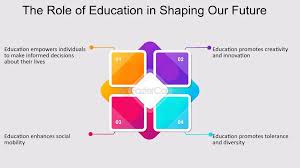
Education is more than acquiring knowledge; it is the catalyst for personal growth and societal progress. It equips individuals with the skills and critical thinking abilities necessary to navigate a complex world while fostering empathy, tolerance, and understanding.
- Empowering Individuals: Education opens doors to opportunities. It provides the tools needed to achieve personal and professional goals, enhancing quality of life and economic stability.
- Driving Social Change: A well-educated population is the backbone of a progressive society. Education promotes equality, reduces poverty, and combats social injustices by empowering marginalized groups.
- Fueling Innovation: From science to art, education fosters creativity and innovation. It challenges individuals to think beyond conventional boundaries, driving technological advancements and cultural enrichment.

The Evolution of Education
The history of education mirrors humanity’s quest for knowledge, evolving from informal teachings to structured systems.
- Ancient Times: Early education focused on survival skills and cultural traditions, passed down orally within communities.
- Formal Institutions: The establishment of schools and universities in ancient Greece, India, and China marked the beginning of structured learning. Philosophers like Socrates, Confucius, and scholars from the Nalanda University era laid the groundwork for intellectual growth.
- Modern Era: The Industrial Revolution transformed education, introducing mass schooling to meet the demands of a rapidly industrializing world. Today, digital technology and online learning platforms have revolutionized accessibility and delivery.
Challenges in Education Today
Despite its critical role, education faces numerous challenges:
- Access and Equality: Millions of children worldwide, particularly in developing regions, lack access to quality education due to economic, geographic, and cultural barriers.
- Quality Disparities: Uneven distribution of resources leads to disparities in education quality, with urban schools often outpacing rural counterparts.
- Adapting to Change: Rapid technological advancements demand continuous updates to curriculums and teaching methods to prepare students for the future.
- Mental Health: The pressures of academic performance and competition take a toll on students’ mental well-being, necessitating a more supportive and holistic approach.
The Future of Education
The future of education is dynamic, adapting to meet the needs of a globalized and technology-driven world.
- Personalized Learning: Adaptive technologies enable customized educational experiences, catering to individual learning paces and preferences.
- Blended Learning Models: A combination of online and in-person teaching offers flexibility and scalability.
- Global Collaboration: Cross-border partnerships in education foster cultural exchange and access to diverse knowledge resources.
- Focus on Lifelong Learning: With industries evolving, continuous education will become essential, emphasizing skill development and adaptability.
Conclusion: Education as a Lifelong Journey
Education is not a destination but a lifelong journey. It is the foundation upon which individuals build their dreams and societies forge progress. By addressing challenges and embracing innovation, education will continue to empower generations, shaping a world of endless possibilities and opportunities.