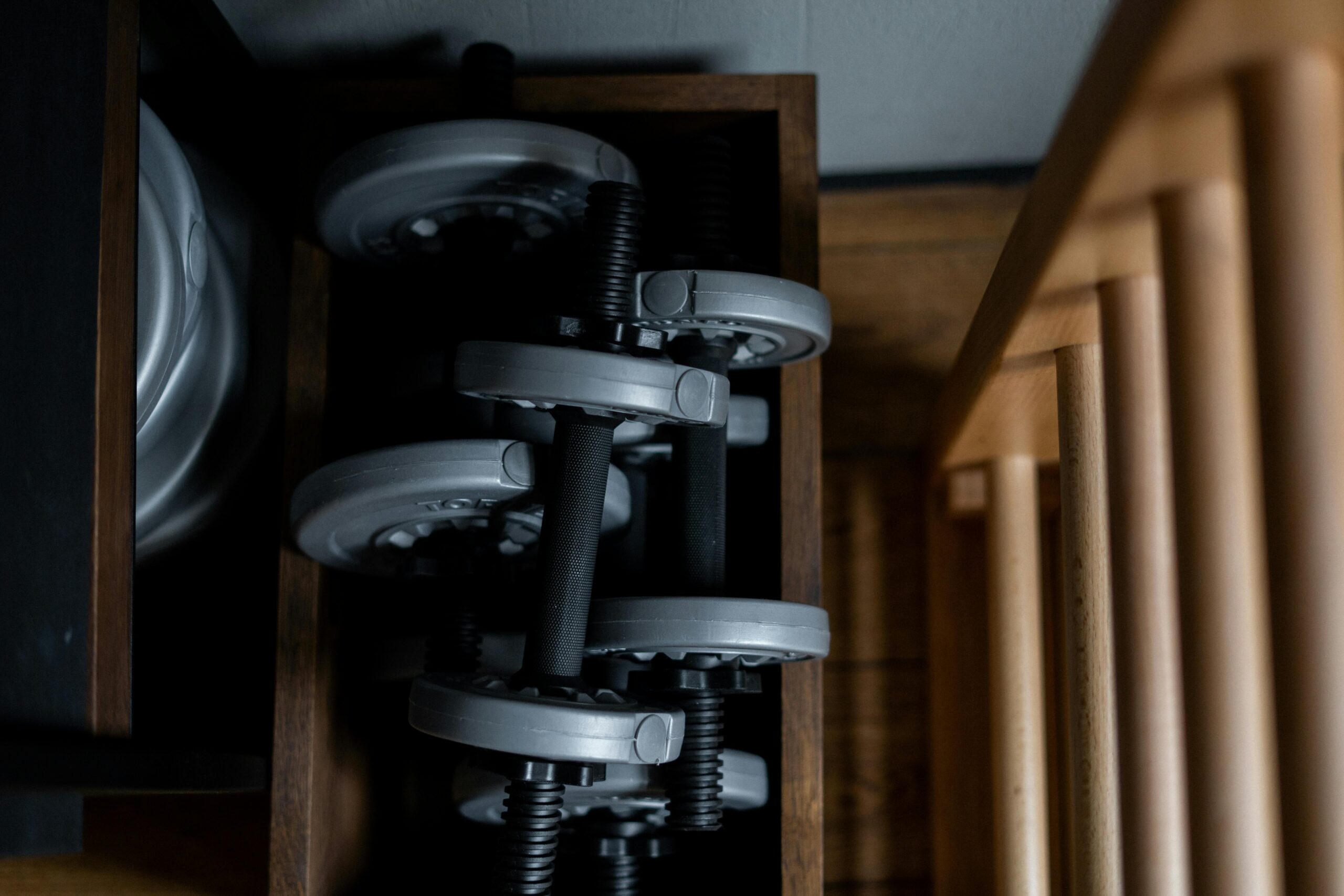

Crafting Your Ideal Fitness and Nutrition Blueprint
Embarking on a journey towards optimal health and well-being requires a strategic approach, and at the heart of this strategy lies the creation of personalized fitness and nutrition plans. Generic, one-size-fits-all approaches often fall short because they fail to acknowledge the unique needs, goals, and lifestyles of individuals. Crafting a blueprint tailored to your specific requirements is paramount for achieving sustainable and meaningful results.
Understanding Your Unique Needs
Before diving into the specifics of fitness and nutrition, it’s essential to take a comprehensive assessment of your current health status, lifestyle, and goals. This involves understanding your body composition, identifying any underlying health conditions, and evaluating your current activity level and dietary habits. Consider factors such as age, gender, and any pre-existing injuries or limitations. This assessment forms the foundation upon which your personalized plan will be built.
Setting Realistic and Achievable Goals
Goal setting is a crucial aspect of any fitness and nutrition plan. It’s important to establish both short-term and long-term goals that are specific, measurable, achievable, relevant, and time-bound (SMART). Whether your objective is weight loss, muscle gain, improved energy levels, or enhanced athletic performance, clearly defined goals provide direction and motivation. Break down larger goals into smaller, manageable steps to make the process less daunting and more attainable. Remember, consistency is key, and celebrating small victories along the way will help you stay on track.
Designing a Tailored Fitness Regimen
The fitness component of your personalized plan should encompass a variety of exercises that cater to your specific goals and preferences. This may include cardiovascular training, strength training, flexibility exercises, and balance training. Cardiovascular exercises, such as running, swimming, or cycling, improve heart health and burn calories. Strength training builds muscle mass, increases metabolism, and enhances overall strength and endurance. Flexibility exercises, like stretching and yoga, improve range of motion and prevent injuries. Balance training enhances stability and coordination.
Creating a Nutritious and Balanced Meal Plan
Nutrition plays a vital role in fueling your body, supporting muscle growth and repair, and optimizing overall health. A personalized nutrition plan should focus on consuming whole, unprocessed foods that provide essential nutrients, including vitamins, minerals, antioxidants, and fiber. Emphasize lean protein sources, such as chicken, fish, beans, and lentils, to support muscle building and satiety. Incorporate plenty of fruits and vegetables, which are rich in vitamins, minerals, and antioxidants. Choose whole grains over refined grains for sustained energy levels and improved digestive health. Limit processed foods, sugary drinks, and unhealthy fats, as they can hinder your progress and negatively impact your health.
Your body requires a variety of macronutrients carbohydrates, proteins, and fats in specific proportions to function optimally. Carbohydrates are the body’s primary source of energy, while proteins are essential for building and repairing tissues. Fats play a crucial role in hormone production, nutrient absorption, and cell function. The optimal macronutrient ratio varies depending on individual needs and goals, but a general guideline is 40-50% carbohydrates, 20-30% protein, and 20-30% fat.
Hydration is often overlooked but is crucial for overall health and performance. Water helps regulate body temperature, transport nutrients, and remove waste products. Aim to drink at least eight glasses of water per day, and increase your intake during exercise and in hot weather. You can also incorporate hydrating foods, such as fruits and vegetables, into your diet.
Monitoring Progress and Making Adjustments
Regularly monitor your progress and make adjustments to your plan as needed. Track your weight, body measurements, and exercise performance to assess your progress. Pay attention to how your body feels and make adjustments based on your energy levels, hunger cues, and overall well-being. Don’t be afraid to experiment with different exercises, meal plans, and strategies to find what works best for you. Remember, consistency is key, and it’s important to stay patient and persistent, even when facing challenges.
Seeking Professional Guidance
While it’s possible to create a personalized fitness and nutrition plan on your own, seeking guidance from qualified professionals can significantly enhance your results and ensure your safety. A registered dietitian can help you create a customized meal plan that meets your specific nutritional needs and goals. A certified personal trainer can design an exercise program tailored to your fitness level and help you master proper form and technique. They can also provide motivation, accountability, and support to help you stay on track and achieve your goals. Consulting with a healthcare provider is also essential, especially if you have any underlying health conditions or concerns.
Remember that creating and maintaining a personalized fitness and nutrition plan is an ongoing process. As your body changes and your goals evolve, you’ll need to adapt your plan accordingly. Stay flexible, stay informed, and stay committed to your health and well-being. With the right knowledge, tools, and support, you can unlock your full potential and achieve optimal health and fitness.
The Role of Supplements
While a well-rounded diet should be the primary source of nutrients, supplements can play a supportive role in certain situations. For example, individuals who are deficient in certain vitamins or minerals may benefit from supplementation. Athletes may use supplements to enhance performance, promote recovery, or meet increased nutritional needs. However, it’s important to approach supplements with caution and consult with a healthcare professional or registered dietitian before incorporating them into your regimen. Not all supplements are created equal, and some may interact with medications or have adverse side effects. Prioritize whole foods and use supplements strategically and responsibly.