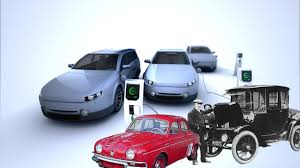

The Electrifying Surge: Understanding Electric Auto Market Growth
The electric auto market is experiencing unprecedented growth, transforming the automotive landscape and reshaping transportation as we know it. Driven by environmental concerns, technological advancements, and supportive government policies, the demand for electric vehicles (EVs) is surging globally. This growth presents significant opportunities for automakers, investors, and consumers alike, while also posing challenges to traditional automotive manufacturers and infrastructure providers.
Factors Fueling the EV Revolution
A confluence of factors is propelling the electric auto market forward. The increasing awareness of climate change and the detrimental effects of traditional combustion engine vehicles are pushing consumers to seek cleaner alternatives. Simultaneously, technological breakthroughs in battery technology are extending the range of EVs and reducing charging times, making them more practical for everyday use. Government incentives, such as tax credits and subsidies, further sweeten the deal for potential EV buyers, accelerating adoption rates.
Global Market Dynamics: A Regional Perspective
The electric auto market exhibits diverse characteristics across different regions. China, for instance, has emerged as a global leader in EV production and sales, driven by strong government support and a large domestic market. Europe is also experiencing rapid EV adoption, fueled by stringent emission regulations and increasing consumer awareness. North America, while slightly behind in the race, is witnessing significant investments in EV infrastructure and manufacturing, paving the way for future growth. Understanding these regional dynamics is crucial for businesses seeking to capitalize on the global EV boom.
Impact of Battery Technology Advancements
Battery technology lies at the heart of the electric auto revolution. Advancements in battery chemistry, energy density, and charging infrastructure are directly influencing the performance, affordability, and practicality of EVs. Solid-state batteries, for example, promise higher energy densities and improved safety compared to traditional lithium-ion batteries. Similarly, the development of faster charging technologies is addressing range anxiety, a major barrier to EV adoption. Continuous innovation in battery technology is essential for sustaining the growth momentum of the electric auto market.
Infrastructure Development: Paving the Way for Mass Adoption
Adequate charging infrastructure is paramount for the widespread adoption of electric vehicles. The availability of convenient and reliable charging stations is crucial for alleviating range anxiety and encouraging consumers to switch to EVs. Governments and private companies are investing heavily in expanding charging networks, with a focus on both public and private charging solutions. The development of standardized charging protocols and interoperability between different charging networks are also essential for ensuring a seamless charging experience for EV owners.
Economic Implications and Investment Opportunities
The electric auto market presents significant economic opportunities across various sectors. The demand for EV components, such as batteries, motors, and charging infrastructure, is creating new jobs and driving innovation in related industries. Furthermore, the transition to electric mobility is fostering new business models, such as battery swapping services and EV subscription programs. Investors are keenly watching the electric auto market, seeking opportunities to invest in promising EV startups, battery manufacturers, and charging infrastructure providers. The long-term growth potential of the EV market makes it an attractive investment destination.
Challenges and Obstacles to Overcome
Despite the immense potential of the electric auto market, several challenges need to be addressed to ensure sustainable growth. The high upfront cost of EVs remains a barrier for many consumers, particularly in developing countries. Range anxiety, although decreasing, continues to be a concern for potential EV buyers. Furthermore, the availability of raw materials for battery production and the environmental impact of battery disposal are important considerations. Addressing these challenges through technological innovation, policy interventions, and responsible resource management is crucial for unlocking the full potential of the electric auto market.
The Future of Electric Mobility: Predictions and Projections
The electric auto market is poised for continued growth in the coming years, driven by technological advancements, supportive government policies, and increasing consumer demand. Experts predict that EVs will account for a significant share of new car sales by the end of the decade, with some projections suggesting that EVs could become the dominant form of transportation in the long term. The future of electric mobility is likely to be characterized by increased automation, connectivity, and shared mobility services, further transforming the way we travel.