
The Importance of Education: Shaping the Future of Individuals and Societies
Introduction: Understanding the Role of Education
Education is the cornerstone of personal growth, societal development, and global progress. It equips individuals with knowledge, skills, and critical thinking abilities that are essential to navigating the complexities of life. As a powerful tool for empowerment, education has the potential to break cycles of poverty, promote equality, and foster sustainable development. It is through education that individuals can achieve their full potential, contributing to a better future for themselves and their communities.
The Core Purpose of Education
At its core, education serves several critical purposes. Primarily, it enables the transmission of knowledge across generations, ensuring that societies continue to evolve and progress. Education also fosters personal development, helping individuals to understand the world around them, improve their emotional intelligence, and make informed decisions. Beyond academics, education cultivates values, ethics, and responsibilities, shaping individuals into conscientious citizens who contribute positively to society.
Types of Education: Formal, Informal, and Non-Formal
Education is not limited to traditional classroom learning. It can be categorized into three types:
- Formal Education: This is the structured form of education that takes place in schools, colleges, and universities. It follows a set curriculum and is typically offered by educational institutions recognized by the government or accrediting bodies.
- Informal Education: This type of education occurs naturally in everyday life, through interactions, experiences, and observations. Informal education is often unstructured, and it encompasses life skills, social behaviors, and cultural knowledge passed down from family, peers, and communities.
- Non-Formal Education: Non-formal education includes training programs, workshops, and community education initiatives that are designed to improve specific skills and knowledge but do not follow formal certification systems. This type of education is increasingly popular for adults seeking career advancement or personal development.
Education as a Tool for Social Change
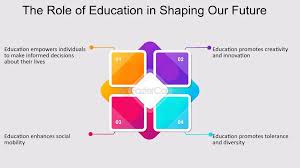
Education has the power to be a transformative force in society. It helps address deep-rooted social issues such as poverty, gender inequality, and discrimination. By providing equal access to education, societies can break barriers that limit opportunities for marginalized groups. Education is also key in fostering tolerance and understanding among diverse populations, promoting social cohesion and peace.
Moreover, education plays a critical role in promoting sustainable development. Informed individuals are more likely to adopt practices that are environmentally friendly, economically viable, and socially inclusive. Through education, people learn about the importance of preserving natural resources, addressing climate change, and adopting technologies that improve the quality of life for all.
The Challenges in Access to Education
Despite the significant strides made in expanding education worldwide, many challenges remain. Access to quality education is still a privilege for some, particularly in low-income countries and marginalized communities. Factors such as poverty, child labor, gender discrimination, and lack of infrastructure hinder the ability of children and adults to access proper education.
Furthermore, global crises such as pandemics, conflicts, and natural disasters can disrupt educational systems, making it even more difficult for vulnerable populations to receive an education. Efforts to address these challenges require collaboration between governments, non-governmental organizations, and the private sector.
Conclusion: The Future of Education
Education remains one of the most powerful means of advancing society and ensuring individual well-being. As technology and global interconnectedness continue to evolve, education must adapt to prepare individuals for the opportunities and challenges of the future. Embracing innovative teaching methods, improving access to quality education, and promoting lifelong learning are essential steps in building a brighter future for all.
In a rapidly changing world, education is not just a pathway to personal success; it is the foundation for a thriving, sustainable society. Investing in education is an investment in the future of humanity.