
Arts and Entertainment: A Dynamic World of Creativity and Expression
Arts and entertainment have long been integral to human culture, serving as avenues for personal expression, cultural reflection, and social connection. From visual arts like painting and sculpture to performing arts such as theater and dance, this vibrant industry offers something for everyone, fostering creativity and imagination. Whether enjoyed on a grand stage or in intimate spaces, the arts and entertainment world is vast and ever-evolving.
The Significance of Arts in Society
The arts play a crucial role in shaping societal values, offering both a mirror and a window to the world. They allow individuals and communities to express their ideas, emotions, and histories, making them vital for preserving culture and challenging the status quo. Through literature, music, and visual arts, society can examine its past and present while envisioning future possibilities. Artists often push boundaries and invite audiences to question conventional ideas, fostering a sense of empathy and understanding.
One of the most compelling aspects of the arts is its ability to transcend cultural and language barriers, uniting people across diverse backgrounds. A well-crafted film, a powerful piece of music, or an evocative painting can speak to universal human experiences and provide a platform for dialogue on important issues such as justice, identity, and freedom.
Entertainment: A Source of Joy and Escapism
Entertainment, often intertwined with the arts, is primarily focused on providing enjoyment and escape for audiences. It ranges from movies and television shows to video games and theme parks, offering individuals the opportunity to disconnect from daily life and indulge in imaginative experiences. The entertainment industry has become one of the most profitable sectors globally, driven by technology, innovation, and shifting consumer preferences.
While entertainment is often viewed as a source of relaxation and amusement, it also serves as an important social tool. Shared entertainment experiences, such as attending concerts, watching live theater, or gathering for a movie night, create moments of bonding and community. In addition, the entertainment sector provides jobs for millions of individuals worldwide, contributing significantly to the economy.
The Interplay Between Arts and Entertainment
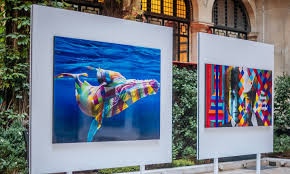
While the terms “arts” and “entertainment” are often used interchangeably, they do have distinct meanings. However, the lines between the two have become increasingly blurred, with many creative works straddling both categories. For instance, a Broadway musical combines the artistry of theater, dance, and music with the entertainment value of a thrilling production. Similarly, video games today are recognized as an art form, with designers and developers creating visually stunning, narratively rich experiences that engage audiences on multiple levels.
The fusion of art and entertainment also extends to the digital world, where platforms like streaming services and social media allow artists to reach broader audiences. The accessibility of content has led to a democratization of the arts, with independent creators now able to share their work with global audiences without relying on traditional gatekeepers like galleries or studios.
The Future of Arts and Entertainment
As technology continues to evolve, the future of arts and entertainment promises even more exciting possibilities. Virtual reality (VR), augmented reality (AR), and artificial intelligence (AI) are rapidly changing the ways in which art is created and experienced. These innovations offer immersive experiences that were once the stuff of science fiction, allowing audiences to interact with digital art and entertainment in groundbreaking ways.
Moreover, sustainability has become a growing concern within both the arts and entertainment industries. From eco-friendly theaters to sustainable production practices, there is an increasing effort to reduce the environmental impact of creative endeavors. As the world adapts to new challenges, the arts and entertainment sectors will continue to evolve, reflecting both the changing landscape of society and the boundless nature of human creativity.
Conclusion
Arts and entertainment enrich our lives in countless ways, offering us the opportunity to experience different perspectives, explore new ideas, and escape from the everyday. They are not only vital for cultural and emotional expression but also play a significant role in bringing people together, sparking conversations, and driving innovation. As technology advances and new creative horizons are explored, the future of the arts and entertainment world looks incredibly promising, continuing to shape and reflect the human experience for generations to come.