
Effective Pet Training Strategies at Home
Training your pet at home can be a rewarding experience, strengthening the bond between you and your furry friend. Consistency, patience, and positive reinforcement are key components of successful at-home training. Whether you have a new puppy, a curious kitten, or an older pet needing a refresher, understanding the basic principles can make the process smoother and more enjoyable for both of you. Remember that every pet learns at their own pace, so celebrate small victories and adjust your approach as needed.
Understanding Your Pet’s Learning Style
Every pet is unique, possessing their own personality, energy levels, and preferred learning methods. Observe your pet’s behavior to identify what motivates them. Is it treats, praise, toys, or a combination? Understanding their learning style will allow you to tailor your training techniques for maximum effectiveness. Some pets respond well to visual cues, while others excel with auditory commands. Experiment and find what works best for your individual animal.
Before embarking on your training journey, it is crucial to establish a strong bond with your pet. This bond is built on trust, respect, and consistent positive interactions. Spend quality time with your pet, engaging in activities they enjoy, such as playing fetch, going for walks, or simply cuddling on the couch. A secure bond will make your pet more receptive to training and eager to please you. A strong bond forms the bedrock for all future training efforts.
Establishing a Consistent Routine
Consistency is paramount when training pets at home. Establish a daily routine for feeding, playtime, and training sessions. This predictability helps your pet understand expectations and reduces confusion. Stick to the same commands and signals, and ensure everyone in the household is on the same page. Inconsistency can lead to mixed messages and hinder progress. A structured routine provides a stable environment that facilitates learning and reinforces desired behaviors.
Keep training sessions short and frequent, especially when starting out. Puppies and kittens have short attention spans, so aim for 5-10 minute sessions several times a day. Short bursts of focused training are more effective than long, drawn-out sessions that can lead to frustration and disengagement. As your pet progresses, you can gradually increase the duration of the training sessions. Remember to end each session on a positive note, with praise and a reward.
The Power of Positive Reinforcement
Positive reinforcement is a highly effective training technique that focuses on rewarding desired behaviors. When your pet performs the desired action, immediately offer a treat, praise, or a toy. This reinforces the connection between the action and the reward, making it more likely that your pet will repeat the behavior in the future. Avoid punishment or harsh corrections, as these can create fear and anxiety, hindering the learning process.
Timing is critical when using positive reinforcement. The reward should be given immediately after the desired behavior occurs. This allows your pet to make a clear association between the action and the reward. Use a clear and consistent marker, such as a clicker or a specific word, to signal that the desired behavior has been performed correctly. This helps your pet understand exactly what they are being rewarded for. With consistent application, positive reinforcement can be a powerful tool for shaping your pet’s behavior.
Addressing Common Behavioral Issues
Many pet owners encounter common behavioral issues such as excessive barking, chewing, digging, or separation anxiety. Understanding the underlying cause of these behaviors is essential for developing an effective training plan. In some cases, the behavior may be due to boredom, lack of exercise, or anxiety. Provide plenty of physical and mental stimulation to address these issues. Puzzle toys, interactive games, and regular walks can help keep your pet entertained and engaged.
For more complex behavioral problems, such as aggression or destructive behavior, consult with a professional pet trainer or veterinary behaviorist. These experts can assess your pet’s behavior and develop a customized training plan to address the specific issues. They can also provide guidance on managing your pet’s environment and implementing behavior modification techniques. Seeking professional help can be invaluable in resolving challenging behavioral issues.
Essential Training Commands
Start with basic commands like “sit,” “stay,” “come,” and “down.” These commands form the foundation for more advanced training. Use clear and concise verbal cues, paired with hand signals, to teach these commands. Break down each command into small, manageable steps, and reward your pet for each successful step. Be patient and consistent, and gradually increase the difficulty as your pet progresses. Consistency and repetition are key to mastering these essential commands.
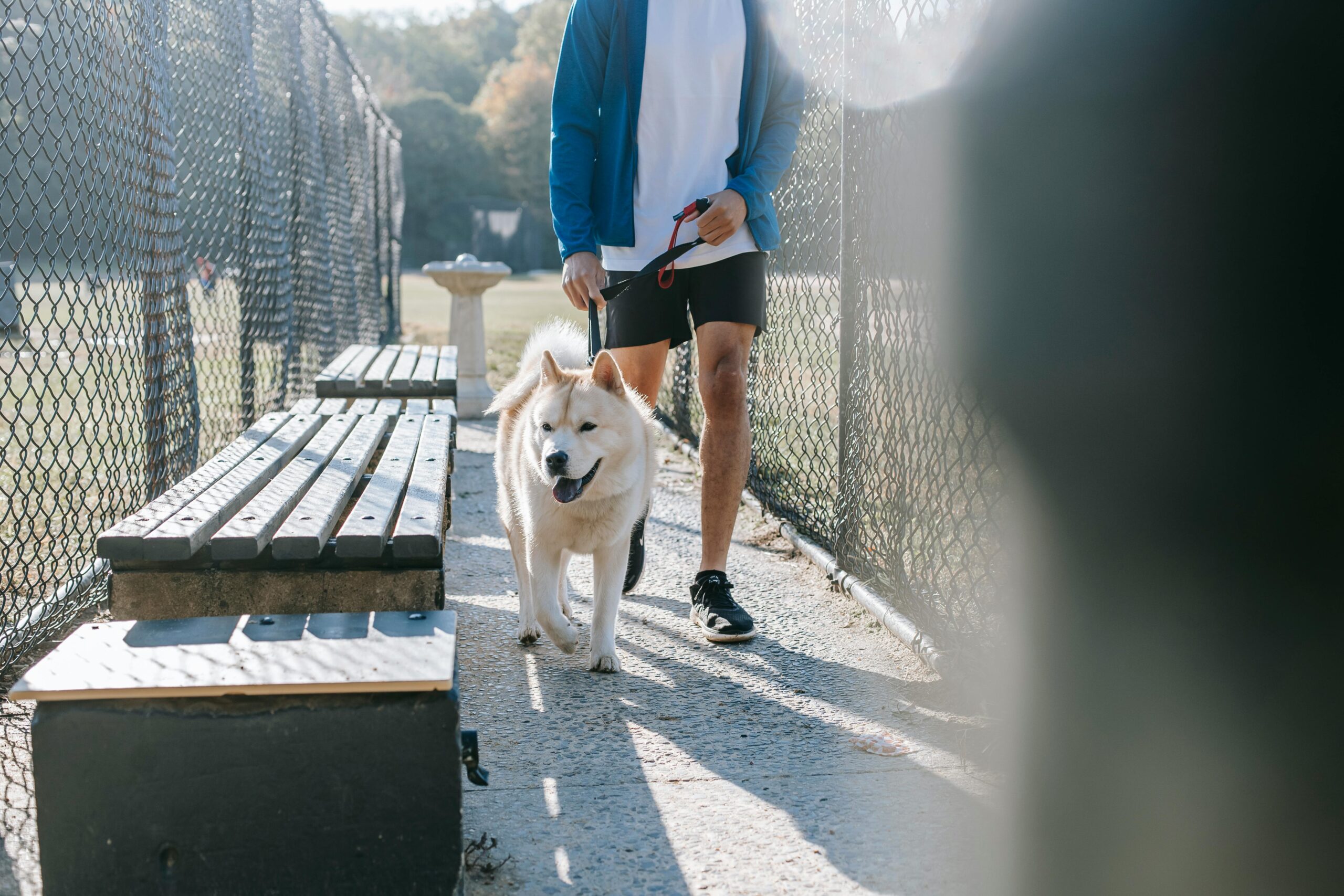
Once your pet has mastered the basic commands, you can move on to more advanced training, such as loose-leash walking, recall training, and trick training. Loose-leash walking teaches your pet to walk politely on a leash without pulling or lunging. Recall training teaches your pet to come when called, even when distracted. Trick training is a fun way to challenge your pet mentally and physically, while also strengthening your bond. The possibilities for advanced training are endless, limited only by your imagination and your pet’s abilities.
Socialization and Exposure
Socialization is crucial for puppies and kittens, helping them develop into well-adjusted adults. Expose your young pet to a variety of sights, sounds, people, and other animals in a safe and controlled environment. This helps them learn to cope with new experiences and prevents fear-based aggression or anxiety later in life. Enroll your puppy in a puppy socialization class, where they can interact with other puppies under the supervision of a qualified trainer.
Even older pets can benefit from socialization and exposure. Gradually introduce your pet to new situations and environments, starting with short, positive experiences. Avoid overwhelming your pet, and allow them to approach new things at their own pace. Reward them for calm and confident behavior. Socialization and exposure can help your pet become more confident, adaptable, and well-behaved in a variety of situations. A well-socialized pet is a happier and more relaxed pet.
Continuing Education and Resources
Pet training is an ongoing process, and there is always more to learn. Stay up-to-date on the latest training techniques and research by reading books, articles, and attending workshops or seminars. Many online resources are available, including websites, blogs, and video tutorials. Consider joining a pet training community or forum, where you can connect with other pet owners and share tips and advice. Continuous learning will help you become a more knowledgeable and effective pet trainer.
Remember that every pet is an individual, and what works for one pet may not work for another. Be flexible and adaptable in your training approach, and always prioritize your pet’s well-being and happiness. With patience, consistency, and a positive attitude, you can successfully train your pet at home and build a lasting bond based on trust and mutual respect. Training your pet is an investment that will pay dividends in the form of a well-behaved, happy, and loving companion.