
Unleash Your Fitness Potential: Building Your Home Health Fitness Oasis
Investing in home health fitness equipment can revolutionize your approach to wellness. No longer bound by gym schedules or crowded spaces, you gain the freedom to exercise on your own terms, tailoring workouts to your specific needs and goals. Building a home gym allows for consistent training, leading to better results and a healthier lifestyle. It offers a convenient and cost-effective solution for maintaining peak physical condition.
With the availability of diverse equipment options, creating a personalized fitness space is easier than ever. Whether you’re a seasoned athlete or just starting your fitness journey, the right equipment can significantly enhance your workouts. From cardio machines to strength training tools, each piece plays a vital role in achieving comprehensive fitness. So dive in and explore the possibilities that await you in the world of home health fitness.
Cardio Essentials for a Healthy Heart
Cardiovascular exercise is crucial for overall health, improving heart function, boosting metabolism, and burning calories. Having cardio equipment at home makes it easier to incorporate regular cardio workouts into your routine. Treadmills offer a versatile option for walking, jogging, or running, while stationary bikes provide a low-impact alternative that’s gentle on the joints. Elliptical machines engage both upper and lower body, delivering a full-body workout with minimal stress.
Rowing machines offer a challenging and effective cardio workout. They engage multiple muscle groups, making them ideal for overall fitness. Consider the available space and your fitness preferences when selecting cardio equipment. Choose machines that fit comfortably into your home gym and offer the features you need to achieve your goals. A well-equipped cardio corner can become your daily escape to a healthier and more energetic you.
Strength Training: Building Muscle and Endurance
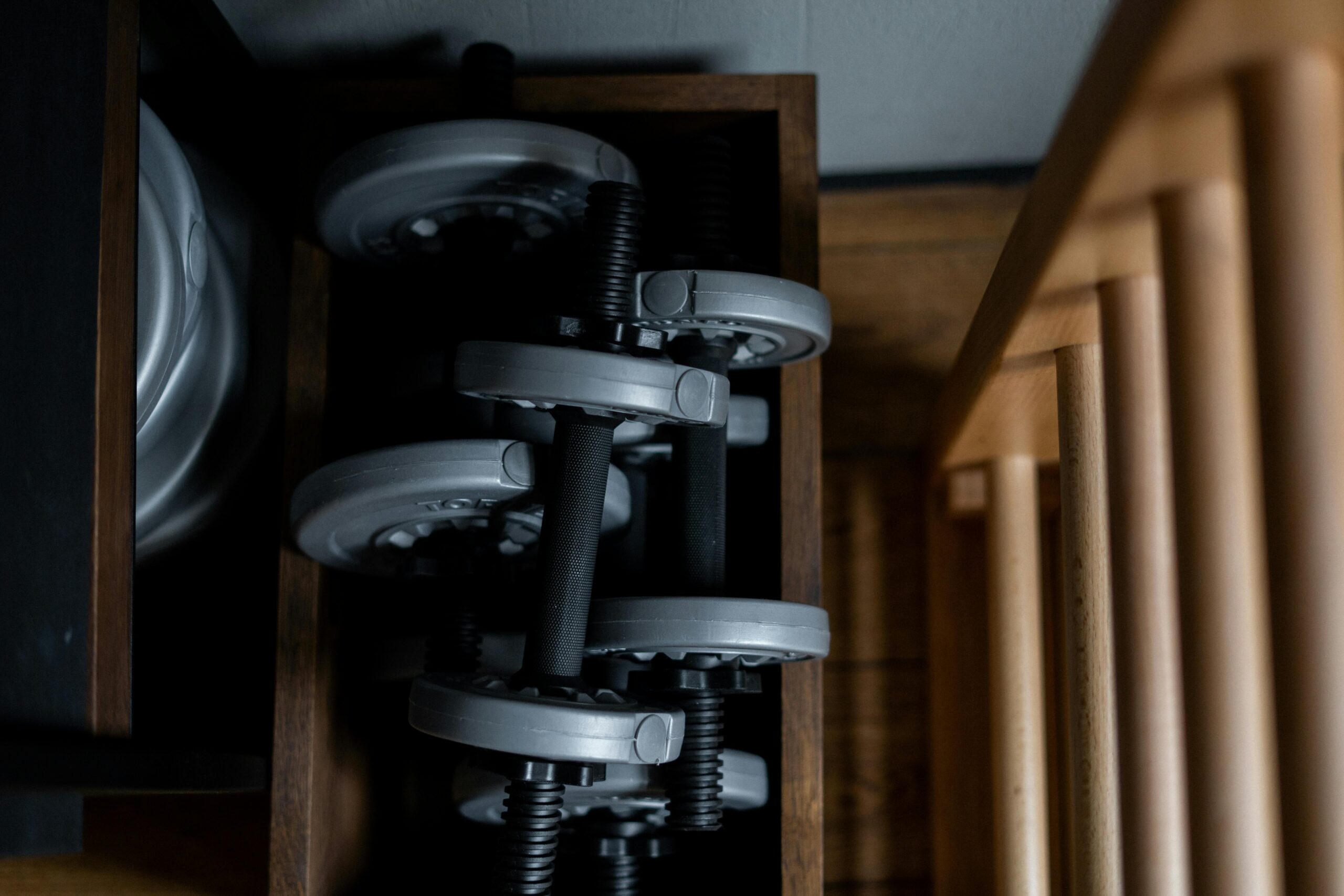
Strength training is essential for building muscle mass, increasing bone density, and improving overall strength and endurance. Home gyms can be easily equipped with various strength training tools to cater to different fitness levels and goals. Dumbbells and kettlebells are versatile options that allow for a wide range of exercises, targeting different muscle groups. Adjustable weight benches provide support and stability for exercises such as bench presses and dumbbell rows.
Resistance bands are a cost-effective and portable option for adding resistance to your workouts. They are great for beginners and can be used to target specific muscle groups. For those looking for a more comprehensive strength training solution, weight machines offer guided movements and adjustable resistance levels. Power racks and squat stands are ideal for advanced lifters who want to perform compound exercises such as squats, deadlifts, and bench presses safely and effectively.
Flexibility and Recovery: Essential for Injury Prevention
Flexibility and recovery are often overlooked but play a crucial role in preventing injuries and improving overall fitness. Incorporating stretching and mobility exercises into your routine can enhance your range of motion, reduce muscle soreness, and improve performance. Yoga mats and foam rollers are essential tools for stretching and self-massage. Foam rollers help release muscle tension and improve circulation, while yoga mats provide a comfortable surface for stretching and floor exercises.
Balance boards and stability balls can be used to improve balance and core strength. These tools challenge your muscles and improve proprioception, reducing the risk of falls and injuries. Investing in recovery tools such as massage guns and compression boots can further enhance your recovery process, reducing muscle soreness and promoting relaxation. Prioritizing flexibility and recovery will not only prevent injuries but also improve your overall fitness and well-being.
Setting Up Your Home Gym: Space and Budget Considerations
Before purchasing any equipment, assess your available space and budget. Measure the area where you plan to set up your home gym and consider the dimensions of the equipment you’re interested in. Prioritize essential equipment that aligns with your fitness goals and start with a few key pieces. You can always add more equipment as your fitness level progresses and your budget allows. Consider multi-functional equipment that can serve multiple purposes to save space and money.
Look for durable and high-quality equipment that will withstand regular use. Read reviews and compare prices from different retailers to ensure you’re getting the best value for your money. Don’t be afraid to buy used equipment to save money, but make sure it’s in good condition and safe to use. Creating a functional and inviting home gym is a gradual process, so take your time and invest wisely in equipment that will support your fitness journey.
Integrating Technology: Fitness Trackers and Apps
Technology can play a significant role in enhancing your home fitness experience. Fitness trackers can monitor your activity levels, heart rate, and sleep patterns, providing valuable insights into your overall health. Wearable devices such as smartwatches and fitness bands can track your steps, distance, and calories burned, helping you stay motivated and on track. Fitness apps offer a wide range of workouts, training programs, and nutritional guidance.
Many fitness apps can be used to track your progress, set goals, and connect with other users for support and motivation. Some apps even offer virtual coaching and personalized workout plans based on your fitness level and goals. Consider investing in a smart scale that can track your weight, body fat percentage, and other metrics to monitor your progress over time. Integrating technology into your home fitness routine can help you stay engaged, motivated, and informed about your health.
Maintaining and Cleaning Your Equipment
Regular maintenance and cleaning are essential for prolonging the lifespan of your home health fitness equipment and ensuring its safe and effective use. Wipe down equipment after each use to remove sweat and dirt. Use a mild detergent and water solution to clean surfaces and avoid using harsh chemicals that can damage the equipment. Check for loose screws, bolts, and other hardware regularly and tighten them as needed.
Lubricate moving parts according to the manufacturer’s instructions to ensure smooth operation. Inspect cables, belts, and other components for wear and tear and replace them as needed. Store equipment in a dry and clean environment to prevent rust and corrosion. Following these simple maintenance tips will help you keep your home fitness equipment in top condition for years to come, ensuring a safe and enjoyable workout experience.