
The Power of Education: Unlocking Doors to a Brighter Future
Education is often referred to as the key to success, and rightly so. It serves as a foundation for personal growth, societal development, and economic progress. From ancient times to the digital era, education has evolved significantly, becoming more accessible and inclusive. It is not just about acquiring knowledge but also about cultivating critical thinking, fostering innovation, and shaping individuals into responsible citizens.
Understanding the Essence of Education
At its core, education is the process of imparting and acquiring knowledge, skills, values, and attitudes. It transcends the boundaries of classrooms and formal institutions, encompassing life experiences, self-study, and interactions with the world. A well-rounded education equips individuals with the tools to navigate life’s challenges, make informed decisions, and contribute meaningfully to society.
Formal education is categorized into primary, secondary, and tertiary levels, each playing a unique role in a person’s development. While primary education lays the foundation of literacy and numeracy, secondary education delves deeper into specialized subjects. Higher education or tertiary education allows individuals to pursue specific fields of interest, fostering expertise and career readiness.
The Role of Education in Personal Development
Education plays a transformative role in shaping an individual’s personality and character. It promotes intellectual curiosity, enhancing the ability to question, analyze, and solve problems. Emotional intelligence, interpersonal skills, and ethical values are also nurtured through education, contributing to a well-balanced personality.
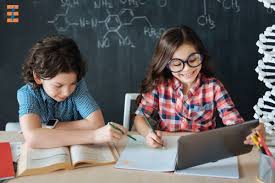
Moreover, education fosters creativity and innovation, enabling individuals to think outside the box. It encourages lifelong learning, empowering people to adapt to changing circumstances and remain relevant in a competitive world.
Education as a Catalyst for Social Change
An educated population is the backbone of a progressive society. Education bridges socio-economic gaps, offering opportunities for upward mobility. It empowers marginalized communities, particularly women, to break free from the chains of poverty and discrimination.
Education also promotes tolerance, empathy, and cultural understanding, essential for building harmonious communities. It serves as a tool to address pressing global issues like climate change, inequality, and health crises by equipping individuals with the knowledge and skills to devise sustainable solutions.
The Economic Impact of Education
The correlation between education and economic development is undeniable. An educated workforce is a critical driver of innovation, productivity, and competitiveness. It attracts investments, boosts entrepreneurship, and fosters job creation.
Countries with high literacy rates often enjoy robust economies and better standards of living. For individuals, education opens doors to lucrative career opportunities and financial stability, reducing dependency and enhancing quality of life.
Challenges in Education
Despite its significance, education faces numerous challenges. Access to quality education remains unequal, particularly in rural and underprivileged areas. Issues like outdated curricula, lack of resources, and untrained teachers further hinder the learning process.
The digital divide is another pressing concern. While technology has revolutionized education, millions of students worldwide lack access to the internet and digital devices, widening the gap between the privileged and the underprivileged.
Conclusion
Education is the most powerful tool for personal empowerment and societal transformation. It holds the promise of a brighter future, fostering innovation, equality, and global progress. As individuals, communities, and nations, investing in education is not just a necessity but a responsibility. After all, an educated world is a better world.